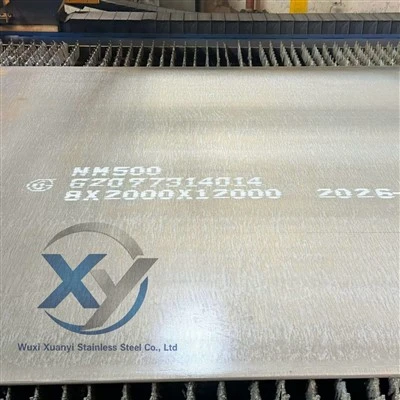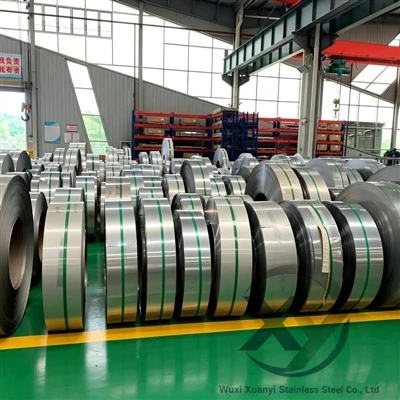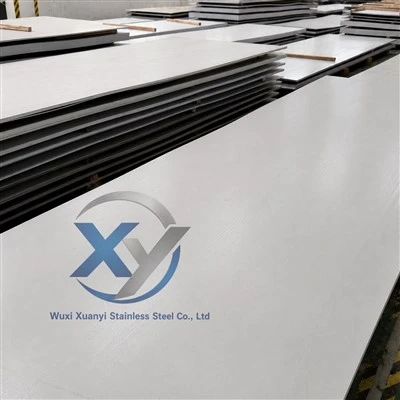


Hey folks, if you're in the business of carbon steel bars-whether you're a contractor, fabricator, or project manager-you already know corrosion is the quiet enemy that kills even the most structurally sound parts. I'm a carbon steel bar supplier, and over the years, I've heard way too many horror stories: straight bars rusting before they even hit a jobsite, channel bars pitting in storage, angle bars falling apart in coastal humidity. That's why we've spent tons of time testing and refining coating methods that actually boost corrosion resistance without messing up the bar's strength or cost. Let's break down what works, why it matters, and which methods we rely on every day.
First, let's get one thing straight: carbon steel is tough and versatile, but it's basically a sponge for moisture and oxygen. Left uncoated, it'll start rusting within weeks if it's exposed to rain, salt, or industrial fumes. The good news? Coating methods aren't one-size-fits-all-they depend on the bar's shape, where it's going, and your budget. We deal with all kinds of carbon steel bars at our shop: from Carbon Steel Channel that frames warehouse walls, to Carbon Steel Bar in Coil used for bending and forming, and Carbon Steel Straight Bar for concrete reinforcement. Each needs a different coating approach to hit the mark.
Let's start with the most common method we use for straight bars and angle bars: hot-dip galvanizing. I'm not talking about that cheap, flaky stuff you might've seen on a random hardware store part-this is a controlled industrial process. Here's how it works: first, we clean the bar to get rid of oil, rust, and mill scale (that dark, flaky surface from manufacturing) using a combination of degreasers and pickling baths. Then, we dip it into a bath of molten zinc at around 840°F. The zinc reacts chemically with the steel surface to form a tight, alloyed layer-not just a paint-on coating that can chip. The result is a rough, silver-gray zinc layer that acts like a barrier: it keeps moisture and oxygen out, and even if a small scratch happens, the zinc actually sacrifices itself to protect the steel underneath (that's called cathodic protection). We use this a lot for outdoor projects, bridges, and coastal structures because it can last 20+ years without major rust issues. The only catch? It doesn't play nice with some intricate shapes, which is why we stick to it for Carbon Steel Straight Bar and Carbon Steel Angle Bar that have simple, uniform surfaces.
Next up for coils and flat bars: epoxy powder coating. If you've ever seen a smooth, even, bright-colored metal part (think those gutter brackets), that's probably epoxy powder coating. Here's why it's great for Carbon Steel Flat Bar and Carbon Steel Bar in Coil: it's super durable, has zero VOCs (so it's eco-friendly), and can be customized to any color. The process is straightforward: we electrostatically spray dry epoxy powder onto the pre-cleaned bar, so the powder sticks like a magnet. Then we bake it in an oven at around 400°F, where the powder melts and flows into a hard, seamless film. This is way thicker than liquid paint-usually 2-10 mils, compared to 1-2 mils for regular paint-so it's way better at blocking corrosion. We use this for indoor parts that might get splashed with chemicals, or for aesthetic applications where a smooth finish is important. The downside? It can chip if you drop the bar roughly, so it's not the best for heavy outdoor construction where impacts are common.
Then there's fusion-bonded epoxy (FBE) coating, which is a step up from regular powder coating, especially for underground use. If your bars are going to be embedded in concrete or buried in soil, regular coatings can crack from the pressure, but FBE is different. It's applied as a powder too, but it melts directly onto the steel surface at a lower temperature, creating a molecular bond-so it's almost impossible to peel off. We use this a lot for utility projects, like gas pipelines or foundation bars, where underground moisture and soil chemicals are a problem. I've seen FBE-coated straight bars sit in wet soil for 15 years and not have a single rust spot, which is a game-changer for jobs where replacement is a nightmare.
Wait, what about the ones that need a lighter touch, like small parts or bars that'll be welded soon? We use zinc-rich paint (ZRP) for those. It's not as tough as galvanizing, but it's easy to apply on-site if a part needs touch-ups, and it's cheaper. The paint has tiny zinc particles (up to 95% zinc) that act as both a barrier and a sacrificial layer, just like hot-dip. We use this for Carbon Steel Channel that might get damaged during installation, or for custom coils that are too small for hot-dip. The only thing to watch: it needs to cure properly (usually 24 hours) before being exposed to moisture, or it won't work as well.
Now, let's talk about what to avoid. A lot of guys try to cut corners with cheap spray paint, but that's a waste of time. It's thin, chips easily, and doesn't bond well to steel-so rust gets under it within a few months. We learned that the hard way early on: a customer bought a batch of channel bars with cheap paint, and they were rusted in 6 weeks on a highway project. We've never done that since. Another mistake? Not prepping the surface. No coating works if there's rust or oil under it-so every bar we coat gets a full clean first, even if it adds a day to the process.
At the end of the day, the best coating method depends on your specific project. Need bars for a pool deck? Go with hot-dip galvanized straight bars-they're cheap and super rust-resistant. Need flat bars for a display case? Epoxy powder coating is your guy. Need coils for a local contractor's garage project? Zinc-rich paint works great. If you're not sure, just reach out-we've helped hundreds of clients pick the right coating, no matter what their needs are.
If you're looking to order coated carbon steel bars, or just want to chat about what works for your next job, don't hesitate to get in touch. We stock all these types-from galvanized straight bars to powder-coated flat bars, and everything in between-and we're happy to answer any questions you have.
References:
- American Galvanizers Association. (2022). Hot-Dip Galvanizing for Corrosion Protection.
- Powder Coating Industry Association. (2023). Epoxy Powder Coating Specifications for Steel Products.
- NACE International. (2021). Corrosion Resistance of Steel Coatings for Underground Applications.
- Construction Materials Advisory Board. (2022). Carbon Steel Bar Coating Guidelines for Building Projects.