

When someone asks me if carbon steel is strong, my answer starts with a question: "Strong for what?" As a carbon steel supplier who's worked with metal for over a decade, I've learned strength isn't a one-size-fits-all term. It's a spectrum, shaped by how much carbon we mix into the iron, how we shape and process the material, and what kind of stress it's meant to withstand. Every time I walk into our warehouse, run my hand over a fresh batch of steel, or help a client pick the right grade for their project, this balance of strength and application is what drives what I do. Let me break down why carbon steel's strength is its superpower-and why it's still the go-to for everything from construction to car parts, even in a world of newer materials.
First, let's get the basics right: carbon steel is an alloy of iron and carbon, with carbon making up less than 2% of its total composition. That tiny percentage is the secret to its strength. Unlike stainless steel, which adds chromium for corrosion resistance, carbon steel's only main alloying element is carbon-and that's what makes it harder and stronger than pure iron. Pure iron is soft enough to bend with your hands, but add even a little carbon, and the structure of the metal changes on a molecular level. The carbon atoms fit between iron atoms, distorting the crystal lattice and making it much harder to shift or break. It's like adding tiny, invisible braces to the iron structure that hold it firm under pressure.
But strength isn't just hardness. Engineers talk about different types of strength: tensile strength (how much it can pull before breaking), yield strength (how much it can bend before permanently deforming), impact strength (how it holds up to sudden shocks), and fatigue strength (how it stands up to repeated stress over time). Carbon steel checks all these boxes, depending on its carbon content and processing. Low-carbon steel, for example, has less than 0.3% carbon. It's more ductile-easy to form into shapes like car body panels or pipes-but still strong enough to hold up under everyday stress. Medium-carbon steel, around 0.3-0.6% carbon, is a middle ground: stronger than low-carbon steel, with good ductility for things like gears or axles. High-carbon steel, over 0.6% carbon, is the hardest and strongest of the three, used for cutting tools, springs, and things that need to resist wear and tear.
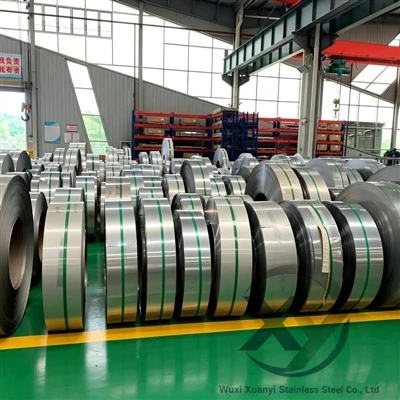
That said, strength isn't just about the metal's composition-it's also about how we process it at our facility. This is where I see clients make choices that make all the difference. Take hot rolling, for example. When we heat carbon steel above its recrystallization temperature and roll it into long strips, coils, or plates, it becomes more formable without losing strength. Our Hot Rolled Carbon Steel Strip is a perfect example: it's versatile, strong, and used in everything from automotive parts to construction fasteners. Hot rolling also refines the metal's grain structure, making it more uniform and less prone to weak spots. That uniformity is key for projects where consistency matters-like building bridges, where even a small weak point can have big consequences.
Cold rolling, on the other hand, happens at room temperature. This process doesn't change the metal's composition, but it compresses the outer layers, increasing tensile and yield strength dramatically. The result is a smoother, more precise product than hot rolled steel, with better dimensional accuracy. Our Cold Rolled Carbon Steel Coil is often used for things like metal furniture, appliance parts, and car body panels that need a smooth finish and extra strength without the extra weight. It's a common misconception that cold rolling just makes steel harder-yes, it does, but it also gives it better surface quality, so it's ready for painting or finishing right off the roll.
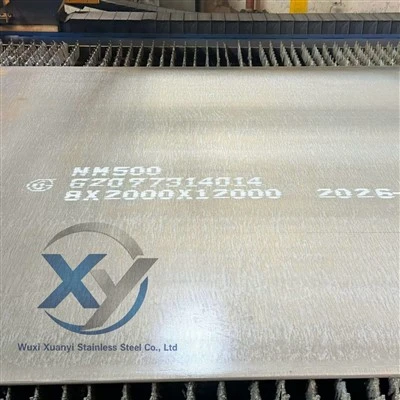
For clients who need extra strength in harsh, abrasive environments, we offer more specialized options. Our Hot Rolled Wear Resistant Steel Plate is a high-carbon variant designed to stand up to constant friction and impact-think bulldozer blades, mining equipment, or conveyor systems. The high carbon content gives it extreme hardness, while the hot rolling process ensures it's durable enough to handle the toughest jobs. I've seen this steel last twice as long as regular carbon steel in mining applications, which saves clients thousands in replacement and maintenance costs. It's a reminder that when strength needs are extreme, carbon steel can be tailored to deliver.
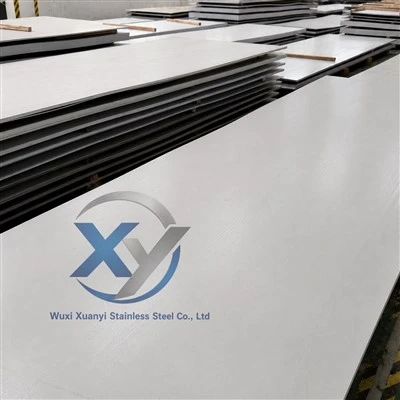
Even our standard hot rolled plates are a workhorse. Our Hot Rolled Carbon Steel Plate is used in building foundations, structural beams, and ship hulls because it balances high tensile strength with affordability. Unlike exotic alloys that cost three or four times as much, carbon steel gives you reliable strength at a price that fits most construction budgets. That's why it's been the backbone of infrastructure for over a century: the Empire State Building, the Golden Gate Bridge, and countless highways rely on carbon steel's consistent strength to keep people safe.
Of course, carbon steel isn't indestructible. It's prone to rust if left uncoated, which is why clients often add paint, galvanizing, or other protective layers. But that's a maintenance issue, not a strength issue. When properly cared for, carbon steel can last for decades-even centuries. I've seen old farm equipment from the 1950s made of carbon steel that's still strong enough to plow fields today, as long as it's been treated to prevent rust. The key is matching the right type of carbon steel to the job, and that's where my team at the supplier comes in. We don't just sell steel-we help our clients pick the right grade and processing method for their specific needs.
I think a lot of people confuse carbon steel with "old" or "basic" metal, but that couldn't be further from the truth. Advances in metallurgy have allowed us to create carbon steels with even better strength characteristics-high-strength low-alloy (HSLA) steels, for example, add small amounts of elements like manganese, copper, or vanadium to get higher strength without extra weight. These steels are used in modern cars, where reducing weight improves fuel efficiency while still keeping the vehicle safe in a crash. As someone who works with this material every day, I'm always impressed by how adaptable it is. It can be soft enough to bend into a kitchen sink, strong enough to hold up a skyscraper, or hard enough to cut through concrete-all while being more cost-effective than almost any alternative.
Let me share a recent example: a small construction company I worked with a few months back. They were building a series of pre-fabricated metal buildings and needed steel that was strong but easy to transport and assemble. At first, they looked at aluminum, which is lighter, but it was too soft and would require thicker, more expensive beams. We recommended a medium-carbon hot rolled coil, adjusted to their required yield strength, which was 30% stronger than aluminum, weighed almost the same, and cost half as much. They used our Hot Rolled Carbon Steel Coil, cut it to their exact dimensions, and finished it with a powder coat for rust protection. The buildings went up on time, stayed within budget, and have held up through two harsh winters so far. That's the strength of carbon steel in action: solving real problems for real people.
Another client, a manufacturing company that makes heavy machinery, came to us needing parts for a rock crusher that would wear out too quickly with regular steel. We suggested our Hot Rolled Wear Resistant Steel Plate-high carbon, processed to be tough against abrasion. They switched, and their replacement parts went from needing to be changed every three months to every two years. That's the value of choosing the right type of carbon steel for the job. It's not just about "is carbon steel strong?" It's about "how strong do you need it, and for how long?" and carbon steel gives us the flexibility to answer that.
I've also had clients ask about newer materials like carbon fiber or titanium, which are lighter and stronger than steel by weight. But when you compare on a per-strength, per-cost basis, carbon steel still wins. Titanium can be three times as expensive as carbon steel, and carbon fiber is even pricier, making them impractical for large-scale construction or heavy equipment where you need bulk strength. Carbon steel's combination of high strength, affordability, and ease of fabrication is unmatched for most industrial and commercial applications. That's why even as new materials emerge, demand for carbon steel keeps growing-we shipped 15% more product last year than the year before, and most of that was standard carbon steel.
So, going back to the original question: Is carbon steel strong? The answer is a resounding yes-when you match the grade and processing to the application. It's not a one-dimensional material, but a versatile alloy that can be tailored to have the exact strength properties you need. Whether you need ductility for forming parts, high tensile strength for structural beams, or wear resistance for heavy machinery, there's a carbon steel option that fits.
At our company, we've spent years refining our processes to deliver consistent, high-quality carbon steel products, from our hot rolled strips and coils to our wear-resistant plates. We know that our clients rely on us to provide steel that's not just strong on paper, but strong enough to get their jobs done. If you're working on a project and wondering if carbon steel is the right choice, or which grade will give you the strength you need, feel free to reach out. We're here to help you pick the perfect product, whether that's our hot rolled carbon steel plate, cold rolled coil, or specialized wear-resistant steel. Don't guess when it comes to strength-partner with a supplier who knows carbon steel inside and out, and can guide you to the right solution for your needs.
References
- Ashby, M. F., & Jones, D. R. H. (2012). Engineering Materials 1: An Introduction to Properties, Applications, and Design. Butterworth-Heinemann.
- Brandes, E. A., & Brook, G. B. (1998). Smithells Metals Reference Book (7th ed.). Butterworth-Heinemann.
- Kalpakjian, S., & Schmid, S. R. (2014). Manufacturing Processes for Engineering Materials (7th ed.). Pearson.
- Metals & Mining Institute. (2022). Global Carbon Steel Market Trends & Applications. International Iron and Steel Institute.
- Tschoegl, N. W. (1989). The Phenomenological Theory of Linear Viscoelastic Behavior. Springer-Verlag.