

Hey everyone! If you've ever wondered what keeps wind turbines spinning through brutal winter winds, or how solar panels hold up in scorching desert heat, there's a really important (but often overlooked) material working behind the scenes: cold rolled stainless steel coil. I'm the owner of a small but reliable cold rolled stainless steel coil supplier, and let me tell you, this stuff isn't just for kitchen sinks or cutlery-it's a total workhorse in the energy industry, and I've seen firsthand how its unique properties make it non-negotiable here.
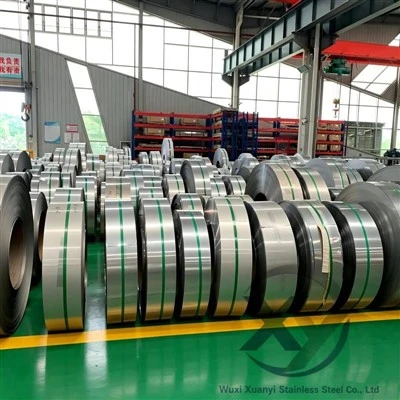
First off, let's keep it real-most people don't connect steel coils with energy production. But when you dig into the details, cold rolled stainless steel coil is a game-changer because it's way stronger, more corrosion-resistant, and has a smoother, more precise finish than hot rolled steel. For the energy sector, where every component has to last 20+ years in extreme conditions, that's exactly what you need. Let's break this down by the biggest energy segments, because each one relies on this material in totally different ways.
Starting with wind energy-this is where I've supplied a ton of our cold rolled stainless steel coil over the years, and it's easy to see why. Wind turbines have two big problems: they're 300+ feet tall, so parts high up have to handle massive wind pressure and temperature swings (think -20°F in Canada to 110°F in Texas), and they're exposed to salt spray if they're offshore. The main use for cold rolled stainless steel coil here is in the turbine's nacelle-That's the box on top of the tower that holds the gearbox, generator, and control systems. Why cold rolled? Unlike hot rolled steel, which has a rough, uneven surface, cold rolled is processed at room temperature, so it has tighter tolerances and a smoother, more consistent finish. That means when we form it into panels to cover the nacelle, the seals fit perfectly, keeping out moisture, ice, and dust that would otherwise wreck the sensitive electronics inside.
Wait, there's more-offshore wind farms are exploding right now, and salt is the worst enemy for any metal. Regular steel would rust through in a couple of years, but stainless steel, especially when it's cold rolled, has that chromium oxide layer that forms when it reacts with oxygen. That layer self-heals if it's scratched, so it doesn't corrode even in saltwater air. I've had clients ask about cheaper materials for offshore components, but every time, they come back to us after a year because the cheaper stuff rusted and they had to do emergency repairs. Another thing: cold rolled stainless steel strip coil (yes, that's the thinner, narrower version of the same material) is used for the small parts-like fasteners, brackets, and the conductive strips in the turbine's electrical system. Those need to be durable but flexible, and cold rolled strip coil is perfect because it can be bent and shaped without losing its strength.
Next up: solar energy. A lot of people think solar panels are just glass and silicon, but the parts that hold them together and connect them to the grid are critical, and that's where our cold rolled stainless steel coil comes in. Solar farms are usually in open, exposed areas-deserts, plains, mountain tops-so the mounting systems have to handle intense UV radiation, extreme heat, and sometimes heavy rain or snow. The mounting racks, which hold panels at the perfect angle to catch sunlight, are often made from our cold rolled stainless steel coil. Why not aluminum? Aluminum is lighter, but it's softer and can warp over time, especially with temperature changes. Stainless steel is way stiffer, so the racks stay straight for decades, keeping the panels aligned correctly. If the racks warp, some panels end up in shade, and you lose energy output. I've seen solar farms where they used cheap galvanized steel racks-after 5 years, a third of the racks were bent, cutting their production by 15%. With cold rolled stainless steel, that doesn't happen.
Also, the wiring and connectors in solar farms-they need to be corrosion-resistant to handle outdoor elements, and cold rolled stainless steel strip coil is used to make the terminal blocks and bus bars that connect panels to each other. Those small parts carry high voltage, so they can't corrode or break, otherwise the whole string of panels goes out. I remember a solar client who switched to our strip coil a few years ago; before that, they were having to replace connectors every 2 years due to rust. Now, 6 years later, they haven't had a single issue. That's the kind of value we bring as a supplier-our material isn't the cheapest upfront, but it saves them so much money in the long run.
Now, let's talk about oil and gas-even with the push for renewables, oil and gas still power a huge part of the world, and they have super harsh environments too. Refineries, pipelines, and offshore drilling rigs deal with corrosive chemicals, high pressure, and extreme temperatures. Cold rolled stainless steel coil is used in all kinds of parts here: pressure vessels, heat exchangers, and the piping that moves crude oil and gas. The heat exchangers in refineries, for example, have to handle hot, acidic fluids that would eat through regular steel. Cold rolled stainless steel's corrosion resistance is key here-plus, its smooth finish reduces friction, so fluids flow more efficiently, which cuts down on energy used to pump them. That's a win-win. Also, the control systems on drilling rigs are protected by panels made from our cold rolled coil; those rigs are in the middle of the ocean or remote deserts, so repairs are expensive and hard to get to. Using our material means those panels last longer, so they don't have to call for emergency maintenance.
Wait, I should mention that there are different grades of cold rolled stainless steel coil, right? For wind, we often use 304 grade, which is a good all-around stainless steel with great corrosion resistance. For offshore oil and gas, we might recommend 316 grade, which has molybdenum added to fight salt and acidic chemicals even better. As a supplier, we always work with clients to pick the right grade for their specific project-no one-size-fits-all here. That's part of what makes us different; we don't just sell you a coil and disappear, we help you find the best material for your needs.
Another big one: energy storage. Batteries are the backbone of the transition to renewables, because solar and wind are intermittent-you need to store the energy they produce for when the sun isn't shining or the wind isn't blowing. Battery storage systems, like the big ones you see next to wind farms or solar fields, have enclosures, internal frames, and bus bars made from cold rolled stainless steel coil. These systems have to handle temperature extremes, dust, and sometimes humidity, and they need to be durable enough to last 10+ years. The enclosure has to be airtight to protect the batteries inside, and cold rolled stainless steel's smooth finish and precision forming make it easy to create tight seals. Also, the electrical contacts in batteries need to be conductive and corrosion-resistant, and cold rolled stainless steel strip coil works perfectly here because it can be stamped into small, precise parts that don't wear out easily.
Now, let's talk about why cold rolled is better than hot rolled for these energy applications, because that's a question I get all the time. Hot rolled steel is rolled at high temperatures, so it cools unevenly, which can lead to warping, uneven thickness, and a rough surface. That's fine for things like structural beams that don't need super tight tolerances, but for energy components, precision matters. Cold rolled is rolled at room temperature, so the metal is more uniform, has a smoother finish, and higher tensile strength-meaning it's stronger for its weight. That's a big deal for things like wind turbine nacelle panels; if the panels are uneven, you can't get a good seal, and if they're not strong enough, they can bend in high winds. Cold rolled fixes both of those issues. Also, cold rolled steel has better surface quality, which makes it easier to paint or coat if needed, but with stainless steel, you don't even need that extra coating because it's already corrosion-resistant.
I've had a few clients ask if there's a more sustainable material they can use, and while aluminum and composite materials are options, they don't hold up as well long-term. Stainless steel is actually one of the most recyclable metals out there-over 80% of all stainless steel ever made is still in use today. When a wind turbine reaches the end of its life, the cold rolled stainless steel coil parts can be melted down and reused for new components, so it's a circular material. That's really important for the energy industry, which is pushing for more sustainable practices. As a supplier, we prioritize sourcing from mills that use recycled steel, so our product is not only durable but also eco-friendly.
Let me give you a real example that stuck with me. A couple of years ago, I worked with a company building a 100-megawatt solar farm in Arizona. They initially went with a cheaper galvanized steel for their mounting racks, because it was 15% cheaper upfront. But 18 months in, they noticed a lot of racks were starting to rust, especially in areas where the sand had scratched the coating. They were losing about 8% of their energy output because the panels were misaligned from warped racks. They came to us for cold rolled stainless steel coil replacement parts. We worked with them to source the right grade, fabricated the racks to their exact specs, and installed them. Now, 5 years later, those racks are still perfect, no rust, no warping, and their energy output is consistent. They told us that the extra cost for stainless steel paid for itself in just 2 years from avoided repairs and lost energy. That's the kind of ROI that matters in energy, where every megawatt counts.
Another example: a wind energy client in Norway, where offshore wind farms are a big part of their energy mix. They needed nacelle panels that could handle salt spray and -30°F winters. We supplied our 304 grade cold rolled stainless steel coil, and they've had those turbines running for 7 years with zero corrosion issues. Before that, they were using hot rolled steel panels that needed to be sandblasted and repainted every 3 years, which cost them a fortune in downtime and maintenance. Cold rolled stainless steel eliminated that hassle.
So, putting it all together, cold rolled stainless steel coil is way more than just a generic industrial material. It's a critical component in every major segment of the energy industry-wind, solar, oil and gas, energy storage-because it solves the biggest challenges these sectors face: corrosion, durability, precision, and long-term reliability. As someone who's been supplying cold rolled stainless steel coil for years, I've seen how the right material choice can make or break an energy project.
If you're working on an energy project-whether it's a new wind turbine, solar farm, energy storage system, or oil and gas refinery-and you need a reliable supplier for cold rolled stainless steel coil or cold rolled stainless steel strip coil, we're here to help. We don't just sell material; we'll work with you to figure out exactly what grade and finish you need, so your project runs smoothly and lasts for years. No gimmicks, no hidden fees, just solid material and honest advice.
When you're picking materials for energy infrastructure, you can't afford to cut corners. The parts you use today will be working for 20+ years, so you need something that's tough, reliable, and cost-effective in the long run. That's exactly what cold rolled stainless steel coil brings to the table.
References
- Stainless Steel Industry Association. (2022). Stainless Steel Applications in Renewable Energy. SIA Technical Report.
- Wind Europe. (2023). Offshore Wind Turbine Component Durability Report. Wind Europe Publication.
- Solar Energy Industries Association. (2021). Mounting System Material Performance Study. SEIA Research.
- World Steel Association. (2022). Circular Economy in the Steel Industry. World Steel Technical Brief.