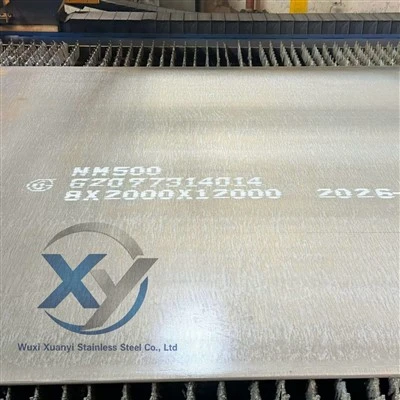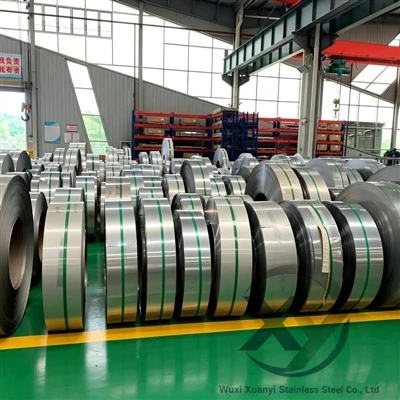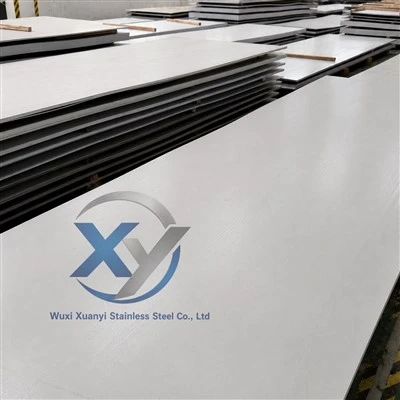


The European Union's Carbon Border Adjustment Mechanism (CBAM) entered its definitive phase on January 1, 2026, bringing new requirements for imports of certain carbon-intensive products, including selected iron and steel goods. According to the European Commission's sector-specific guidance, stainless steel flat-rolled products are included under CN codes 7219 and 7220, covering products with widths of 600 mm or more and less than 600 mm, respectively. However, the exact product classification remains important, as not every stainless steel product is automatically subject to the same requirements.
One of the key changes is the growing importance of production-related emissions information throughout the supply chain. EU importers are responsible for fulfilling the relevant CBAM declaration and certificate obligations, while manufacturers outside the EU may need to monitor production emissions and provide the required information. For buyers, this makes early communication with importers, customs representatives, and upstream producers increasingly important, particularly when arranging orders for the European market.
It is also important to distinguish between product quality documents and emissions-related information. A Material Test Certificate (MTC) provides details such as material grade and test results, but it does not replace the production emissions data required under CBAM. Buyers should therefore clarify their documentation requirements in advance and confirm which information needs to be obtained from the actual producing facility.
At XuanYi Stainless Steel, we continue to follow international trade developments that may affect the stainless steel supply chain. For orders intended for the European market, we place importance on accurate product specifications, clear product identification, and effective communication with customers. By understanding the requirements of different markets and confirming order details at an early stage, we aim to support smoother purchasing and supply arrangements.