

When I started my career as a hot rolled carbon steel supplier over a decade ago, I'll admit I didn't give much thought to the optical properties of the material I was moving every day. Like many in the industry, I focused on mechanical strength, formability, and cost-those tangible traits that make steel the backbone of construction, automotive manufacturing, and heavy machinery. It wasn't until a regular client, an aerospace fabricator, asked why their hot rolled carbon steel parts reacted so differently to laser scanning than cold rolled materials that I dug into the science behind how steel interacts with light. What I learned changed how I explain our products to customers, and it's something I think every professional working with hot rolled carbon steel should understand.
Hot rolled carbon steel is produced by heating steel slabs above its recrystallization temperature-usually around 1,700°F (927°C)-and passing them through rollers to reduce their thickness. This process leaves a distinct visual mark, which is where its optical properties come into play. Unlike cold rolled steel, which has a smooth, uniform surface, hot rolled carbon steel has a dark, irregular oxide scale on its surface. That scale is primarily iron oxide (Fe₃O₄, Fe₂O₃, and FeO) formed during the hot rolling process, and it's the key driver of how this material interacts with light. Let's break down those optical properties one by one, because they matter far more than you might think for applications ranging from quality control to design.
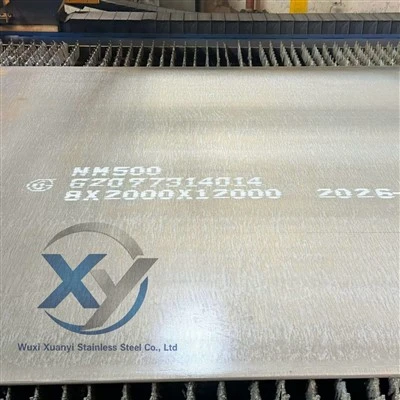
First, there's reflectivity. Hot rolled carbon steel has relatively low reflectivity compared to its cold rolled counterpart, which is a huge factor in processes like laser cutting, welding, and even automated inspection. The oxide scale on hot rolled steel is porous and rough, so it absorbs more light and reflects less back to the source. I remember early on, a client tried to cut hot rolled carbon steel sheets (check out our Hot Rolled Carbon Steel Sheet products here) with a laser cutter that was calibrated for cold rolled steel. The result was uneven cuts, scorched edges, and wasted material-all because the laser didn't account for the difference in reflectivity. Since then, we've worked with clients to test their equipment against our products, pointing them to the specific optical traits that affect their workflows. For example, when light in the visible spectrum hits hot rolled steel, only about 15-20% is reflected, compared to 60-70% for cold rolled steel. That's a massive gap, and it's why adjusting laser power or sensor settings is non-negotiable when working with hot rolled material.
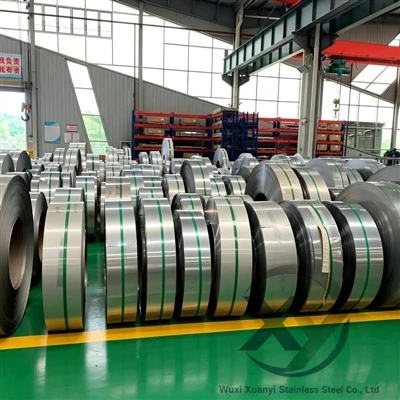
Another optical property is color variation. If you've ever looked at a pile of hot rolled carbon steel coil (you can browse our Hot Rolled Carbon Steel Coil options here), you'll notice that each coil, and even different sections of the same coil, can have subtle color differences. Those variations aren't just cosmetic-they're tied to the oxide scale's thickness and composition, which depend on things like cooling rate after rolling, ambient humidity, and the amount of time the steel spent in the heating furnace. For instance, a slower cool-down might lead to thicker Fe₂O₃ (red oxide) layers, which give the steel a slightly reddish tint, while faster cooling produces more Fe₃O₄ (black oxide), leading to a deeper, charcoal gray color. This color variation is something we track closely as a supplier, because it can impact things like coating adhesion later on. A fabricator working to apply a zinc coating to hot rolled steel strip (see our Hot Rolled Carbon Steel Strip line here) might find that a section with uneven oxide color has a higher risk of coating peeling, so we flag those variations in our product certifications to help our clients plan their processes.
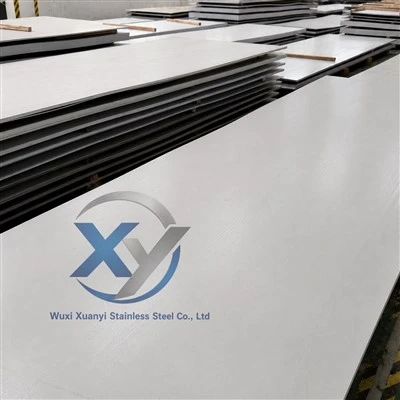
Translucency is a less commonly discussed optical property, but it's one that's important for specialized applications. While hot rolled carbon steel is generally opaque, the thin oxide scale can allow some low-wavelength light (like infrared) to penetrate just a few microns into the surface. This is why some thermal imaging systems can be used to detect surface defects in hot rolled steel-infrared light passes through the oxide layer and reflects off the underlying steel, making cracks or inclusions visible that would be hidden from the naked eye. A while back, a structural steel manufacturer used this property to cut down on their manual inspection time; instead of checking every plate for surface flaws with bright lights, they used thermal cameras paired with our hot rolled carbon steel plate products (explore our Hot Rolled Carbon Steel Plate offerings here) to spot defects 30% faster. That's a practical example of how understanding optical properties translates to real efficiency gains for our clients.
We also have to address how light interacts with hot rolled carbon steel over time. As the material is exposed to the elements, the oxide scale reacts with moisture and oxygen to form rust, which changes its optical properties even more. Freshly manufactured hot rolled steel has a matte, dark finish, but after a few months outdoors, rust (iron hydroxide) forms a reddish-brown patina that increases reflectivity slightly (to around 25-30% for heavily rusted surfaces) and changes the color to a duller red. This aging effect is something we warn clients about, especially those using hot rolled steel for outdoor structures like bridges or fence posts. If a project requires a uniform appearance over time, we often recommend a mild pickling process to remove excess oxide, or a primer coat that locks in the original optical properties until the final finish is applied.
Now, you might be wondering: why does this matter for someone sourcing hot rolled carbon steel? Let's connect the science to practical business outcomes. As a supplier, my job isn't just to deliver a coil or plate-it's to make sure our product works for your specific application. If you're a fabricator using laser cutting, knowing our hot rolled steel has lower reflectivity means you can adjust your laser's focal length or power to avoid burn marks. If you're a construction manager specifying steel for a structural beam, the color consistency of hot rolled carbon steel plate can impact how the beams look once installed, even if that's a secondary concern to strength. If you're a manufacturer doing automated quality control with vision systems, calibrating your cameras to account for our material's unique optical traits will reduce defect false positives, saving you time and money.
I've seen firsthand how a lack of awareness around these optical properties can lead to headaches. Early in my career, a client ordered 50 tons of hot rolled carbon steel strip for a series of precision parts, and their automated assembly line kept rejecting 20% of the parts because their vision sensors couldn't "see" the edges of the steel clearly. It turned out the sensor was calibrated for cold rolled steel, which has a much higher reflectivity. We worked with their engineering team to test our strip, adjust the sensor settings to match our material's 18% reflectivity, and within a week, their rejection rate dropped to under 2%. That's the kind of solution we're here to provide-beyond just selling steel, we're sharing the knowledge that makes our products work for you.
Another example: a client in the renewable energy sector needed hot rolled carbon steel for wind turbine tower components. The towers are painted a specific light gray for visibility, so the client needed the base steel to have a consistent surface that the paint would adhere evenly to. We analyzed the oxide scale on our hot rolled carbon steel coil used in their project, found a batch with uniform Fe₃O₄ composition, and recommended a light blast cleaning process to create a smooth, consistent surface. The result was a paint finish that matched their specifications, even after years of exposure to wind and rain. That's how understanding optical properties ties into long-term project success.
Of course, there are limits to what optical properties can tell us about hot rolled carbon steel. They don't directly correlate with strength or durability-those are mechanical properties that depend on carbon content, grain structure, and rolling process. But they are a key piece of the puzzle when it comes to processing, finishing, and quality control. A material might have excellent tensile strength, but if its optical properties cause issues in your production line, it's not the right fit.
As we look to the future, the role of optical properties in hot rolled carbon steel is only going to grow. With the rise of smart manufacturing, where automated systems use sensors and AI to control production, understanding how steel interacts with light will be critical. We're investing in testing equipment here at our facility to measure reflectivity, color variation, and other optical traits for every batch we produce, so we can provide our clients with detailed data that helps them optimize their processes. Whether you're a small fabricator or a large industrial manufacturer, that kind of transparency makes a difference.
If you're working with hot rolled carbon steel and want to learn more about how our products' optical properties can support your project-whether you're dealing with laser processing, quality control, finishing, or something else-we're here to talk. Browse our range of hot rolled carbon steel products, connect with our team, and let's find the right solution for your needs.
References
1.ASM International. (2019). Optical Properties of Metals. In Properties of Metals: A Selective Reference (pp. 123–145). ASM International.
2.Manufacturing Engineering and Materials Processing. (2021). Surface Characterization of Hot Rolled Carbon Steel: Oxide Scale Formation and Optical Traits. Journal of Materials Processing Technology, 292, 117158.
3.National Institute of Standards and Technology (NIST). (2020). Reflectivity Measurements of Steel Surfaces for Industrial Applications. NIST Special Publication 260-187.
4.American Iron and Steel Institute (AISI). (2022). Hot Rolled Carbon Steel: Processing, Properties, and Applications. AISI Technical Report 2022-04.