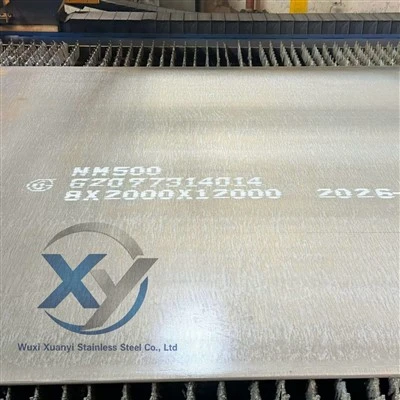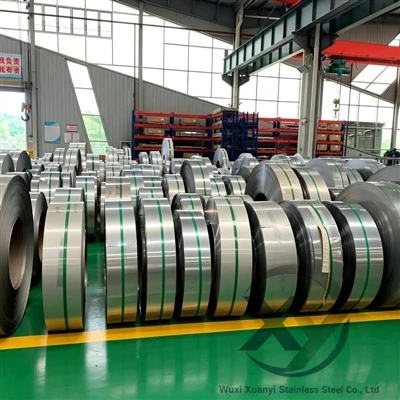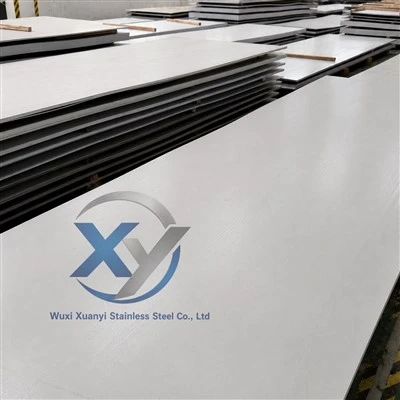


Recently, XuanYi Stainless Steel completed a batch delivery of stainless steel materials for several engineering projects covering seawater desalination, photovoltaic projects, chemical equipment, elevator supporting components and food machinery.
The order involved different grades, specifications and product forms. Instead of applying the same material solution to every project, the material selection and processing requirements were confirmed around the actual working conditions of each application.
For us, the important part of this shipment was not simply the number of products involved. Each industry had its own concerns - corrosion in seawater environments, long-term outdoor exposure for photovoltaic structures, chemical media, surface requirements for elevator components, and cleanliness for food-processing equipment. These differences had to be considered before the materials were prepared.
Seawater Desalination Projects
For seawater-related equipment, the supplied materials included 2205 duplex stainless steel and 316L stainless steel plates and tubes.
Seawater and concentrated brine can place high demands on stainless steel, particularly where chloride exposure, pitting and crevice corrosion need to be considered. Material grade, thickness and product form were therefore confirmed according to the intended equipment and service environment.
The materials are intended for different parts of desalination equipment and related piping systems, with the final grade selected according to chloride concentration, temperature and actual service conditions.
Photovoltaic Projects
For photovoltaic projects, the supply included 304 and 316 stainless steel sections and sheets for supporting and fabricated components.
Outdoor photovoltaic structures may be exposed to rain, dust, humidity and, in coastal areas, salt-containing environments over long periods. The materials were selected according to the installation environment and the customer's structural and fabrication requirements.
These stainless steel products can be used for PV supporting structures, connection parts and other outdoor components where corrosion resistance and long-term outdoor service need to be considered together.
Chemical Equipment Manufacturing
Chemical equipment projects usually involve more specific material requirements because the operating medium can vary significantly from one application to another.
For this part of the order, stainless steel materials were prepared for equipment such as storage tanks, pipelines, heat exchangers and other fabricated components. Material selection was discussed around the actual process medium, service conditions and fabrication requirements rather than relying on one general corrosion-resistance description.
Dimensions, welding and further processing requirements were also taken into account before the material moved into production and preparation.
Elevator Supporting Components
The elevator-related materials focused more on surface quality, flatness and forming requirements.
Stainless steel sheets and profiles were supplied for applications such as elevator car panels, door-frame components, escalator panels and related fabricated parts. For these products, appearance and dimensional consistency are often just as important as the material grade itself.
The surface condition and processing requirements were therefore confirmed according to the final component use, especially where the stainless steel would remain visible after installation.
Food Machinery
For food-machinery applications, 304 stainless steel was supplied for equipment and fabricated components that require clean and easy-to-maintain surfaces.
Typical applications include food-processing equipment, mixing systems, tanks and conveying components. For this type of project, customers usually pay particular attention to material identification, surface condition, fabrication requirements and the way the finished equipment will be cleaned and maintained.
Rather than treating "food grade" as a general label, the material and surface requirements need to match the actual equipment design and applicable project requirements.
Different Projects, Different Material Decisions
This shipment involved several industries, but the working approach was the same throughout the order: first understand where the material will be used, then confirm the grade, specification, surface and processing requirements accordingly.
Our team coordinated material preparation, processing, inspection, packing and delivery based on the individual order items. Material certificates and other agreed documents were prepared together with the shipment so that customers could check the supplied materials against their project requirements.
Handling several engineering sectors in one delivery also meant keeping the different specifications clearly separated throughout the process. Each item needed to remain tied to the correct grade, size and application rather than being treated as one general stainless steel order.
For us, this project was a practical example of how engineering stainless steel supply works in real orders. A material that is suitable for one application may not be the right choice for another, even when both projects use stainless steel.
We will continue to start with the actual service conditions of each project and work from there, keeping material selection, processing and delivery closely connected with what the customer really needs.