

China's stainless steel industry is changing from both the supply and demand sides in 2026.
Raw-material costs are still closely linked to nickel, ferrochrome and stainless steel scrap, while downstream customers are asking for more specific grades, surfaces and processing. The connection between material selection, production and final application is becoming more important than before.
From Raw Materials to Finished Products
Nickel and ferrochrome remain key cost factors in stainless steel production, especially for grades such as 304 and 316L.
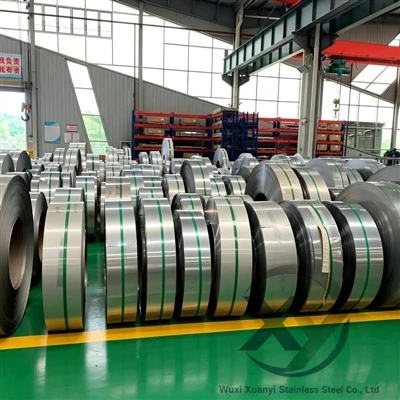
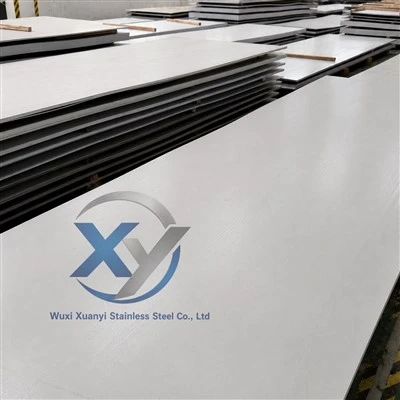
After smelting and refining, stainless steel goes through hot rolling, annealing, pickling and, where required, cold rolling or surface finishing. Common finishes such as No.1, 2B, No.4 and BA are used for different applications.
For buyers, grade alone is often not enough. Thickness, surface condition and further processing can also affect whether the material is suitable for the final product.
Demand Is Becoming More Specialized
Traditional sectors such as construction, kitchen equipment, general machinery and municipal projects still provide steady demand.
At the same time, new energy, marine engineering, hydrogen equipment, medical equipment and chemical processing are creating more demand for materials with specific corrosion resistance, heat resistance or processing requirements.
This can also be seen in export inquiries. Customers increasingly ask about standards, surface, dimensions, documents and processing instead of simply checking price and availability.
More Attention on Specialty Stainless Steel
Competition in standard stainless steel products remains strong, while 316L, duplex grades, heat-resistant stainless steel and other specialty materials are receiving more attention in applications with higher requirements.
The market is gradually becoming more application-driven. For suppliers, the job is no longer only to find the required grade, but to understand where the material will be used and what processing, surface or delivery requirements come with that application.