

If you've ever wandered through a construction site, peeked inside a food processing factory, or glanced at the frame of a modern commercial truck, you've likely encountered hot rolled stainless steel coil without even realizing it. For nearly a decade, I've stood on the supply side of this material-my team and I work directly with mills, fabricators, and end users to deliver high-quality hot rolled stainless steel coil to projects big and small-and I can tell you this isn't a static market. The trend shifts as fast as the industries that depend on it, shaped by everything from global infrastructure builds to the quiet demand for more sustainable manufacturing practices. Over the last three years alone, I've seen how a mix of supply chain bumps, regulatory changes, and shifting end-user priorities have redefined what buyers need from hot rolled stainless steel coil, and where this market is headed next.
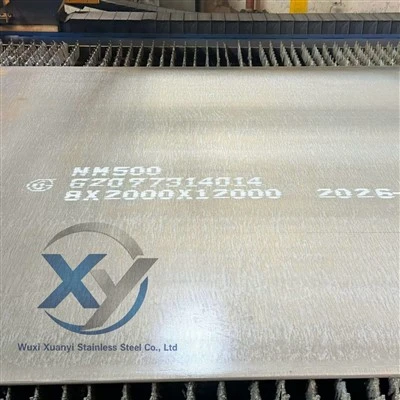
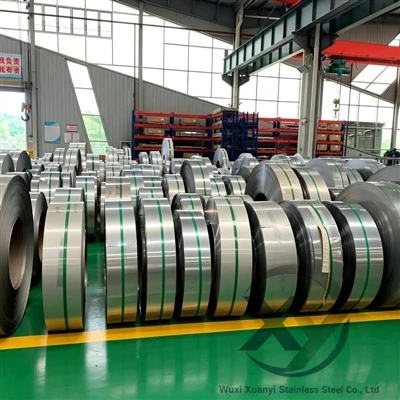
To start with the basics that every good buyer should know: hot rolled stainless steel coil is manufactured by heating stainless steel slabs to extremely high temperatures, then rolling them into long, flat coils at temperatures above the steel's recrystallization point. This process gives the material a slightly rough, scaled surface, but it also makes it more malleable than cold rolled stainless steel, perfect for applications that require shaping into large parts, tanks, or structural components. For buyers, the right specification matters, and having access to tailored products is key-whether you need a thinner gauge for decorative trim or a heavier gauge for industrial pressure vessels, there's a hot rolled coil variant designed for the job. If you're new to sourcing or looking to refine your material specs, you can learn more about standard and custom forms in the hot rolled category here: Hot Rolled Stainless Steel Coils.
First, let's ground this in the current state of the market, because 2024 looks very different from where we were in 2020, when the pandemic threw global supply chains into chaos. Back then, hot rolled stainless steel coil prices spiked by nearly 45% in 12 months, as mills cut production and shipping delays left yards bare. Today, prices have stabilized, but that's not because the market is back to "normal"-it's because demand has shifted in specific, measurable ways, and supply chains have adapted to meet that demand. The biggest driver of current growth is the global infrastructure boom. Governments around the world have poured trillions into upgrading roads, bridges, water treatment facilities, and renewable energy projects, and stainless steel is non-negotiable for these builds. Unlike carbon steel, it resists corrosion, which means it requires less maintenance over a 50- or 100-year lifespan-a huge selling point for cash-strapped public projects.
Take the United States' Infrastructure Investment and Jobs Act (IIJA) for example, which allocated $1.2 trillion starting in 2021. My team has supplied hot rolled stainless steel coil for bridge reinforcement, water pipeline systems, and solar panel mounting frames, and the volume of these orders has tripled since 2022. That's not an isolated trend: the European Union's Green Deal has similar mandates for sustainable infrastructure, and Southeast Asia's rapid urbanization-countries like Vietnam, Indonesia, and Malaysia are building new cities and ports at a pace never seen before-has created a massive new demand for stainless steel structural materials. For smaller buyers or those needing narrower gauges for specialized parts, Hot Rolled Stainless Steel Strip Coil fills a critical niche, delivering precision-cut rolls that work for everything from automotive trim to industrial machinery components.
But infrastructure isn't the only engine driving the hot rolled stainless steel coil market. The food and beverage industry, which has always been a core end user, is evolving too. Post-pandemic, consumers expect safer, more durable equipment, and stainless steel is the standard for food processing tanks, conveyor belts, and storage containers. I've worked with a mid-sized craft brewery that replaced its carbon steel fermentation tanks with hot rolled stainless steel tanks last year, not just because they resist rust from constant cleaning, but because they meet stricter FDA food safety standards. Similarly, the medical device sector-another major user-has seen demand surge as aging populations in North America and Europe require more diagnostic equipment, surgical tools, and sterile storage units, all of which rely on hot rolled stainless steel's durability and biocompatibility.
Now, for the trends that will define this market over the next three to five years, because knowing where the market is going is just as important as understanding where it is today. Let's start with sustainability, a word that's no longer a marketing buzzword but a non-negotiable requirement for most large buyers. A decade ago, a client might choose hot rolled stainless steel coil based solely on price and gauge; today, they ask for carbon footprints, recycled content percentages, and mill certification for responsible sourcing. The International Stainless Steel Forum reports that recycled stainless steel makes up 60% of global production, and hot rolled coil is at the forefront of this shift, as many mills now offer coils made with 70% or more post-consumer scrap. For example, the last batch we delivered to a large food processing client had 75% recycled content, and they saved 12% on their total material cost while hitting their ESG targets. This trend is only going to grow: in 2023, the European Union implemented a Carbon Border Adjustment Mechanism (CBAM) that taxes high-emission steel imports, so non-European buyers sourcing hot rolled stainless steel coil will need to prove low emissions to avoid extra costs.
Second, customizability is becoming a bigger priority than standard-sized rolls. Ten years ago, 80% of our orders were for 48-inch-wide hot rolled coils, the industry standard. Today, only 40% are, and the rest are custom gauges, edge finishes, or pre-cut lengths tailored to specific applications. A solar mounting manufacturer, for instance, needs 24-inch-wide hot rolled stainless steel coil to fit their panel frames, while a shipbuilder needs 60-inch-wide rolls to minimize welding seams on deck plates. We've invested in precision slitting and edge conditioning equipment over the last two years to meet this demand, and I've seen smaller mills that don't offer custom sizes struggle to retain clients. This shift isn't just about convenience-it's about reducing waste. Custom-sized rolls mean less off-cuts for buyers, which cuts their material costs and lowers overall industry waste, aligning with the sustainability trend we already talked about.
Third, supply chain resilience will be a constant priority for buyers. The 2020-2021 shipping delays taught a lot of fabricators and project managers that waiting 12 weeks for hot rolled stainless steel coil isn't feasible. Today, most buyers are looking for local or regional suppliers who can deliver in 2-4 weeks, not months, and who have safety stock on hand for urgent orders. For our team, that means maintaining a 30-day stock of the most common grades (304, 316, 430) in gauges from 0.5mm to 10mm, and working with multiple mills across North America and Europe to avoid reliance on a single source. This is a shift from the pre-pandemic model, where buyers prioritized the lowest price regardless of shipping time or location. Now, total cost of ownership-including shipping, storage, and lead time-trumps just upfront material cost.
But there are headwinds to this market, and they're worth addressing if you're a buyer or seller. The biggest one is raw material volatility. Nickel, chromium, and iron ore are the three core ingredients in stainless steel, and their prices fluctuate based on mining capacity, geopolitical tensions, and global demand. For example, in 2022, nickel prices spiked 250% after a supply crisis in Indonesia, the world's largest nickel producer, which forced many hot rolled stainless steel coil mills to temporarily cut production. While prices have stabilized since then, this kind of volatility will continue, so buyers should build flexibility into their sourcing plans-maybe locking in prices for 3-6 months if their project timeline is fixed, or working with suppliers who offer flexible pricing for smaller, more frequent orders. Another headwind is competition from alternative materials, like coated carbon steel and aluminum, which are cheaper than stainless steel for non-critical applications. But I've found that for applications where longevity and corrosion resistance matter, like water pipelines or offshore equipment, stainless steel still wins out, so the market's core demand is stable, even with competition.
As a supplier, my team is adapting to these trends in ways that I think set us apart from the competition. We don't just deliver hot rolled stainless steel coil-we work with buyers to help them choose the right grade for their project, whether that's 304 for general structural use, 316 for coastal environments where salt corrosion is a risk, or 430 for decorative applications. We also offer free samples for buyers to test, and we provide full material certificates for every order, so clients can meet regulatory requirements for their projects. If you're sourcing hot rolled stainless steel coil for an upcoming project, whether it's a small home renovation or a large industrial build, we're here to help you navigate the specs, pricing, and lead times to find the right product for your needs.
If you're ready to discuss your hot rolled stainless steel coil requirements, or have questions about grades, custom sizing, or sustainability credentials, we'd be happy to connect for a detailed consultation. Let's work together to find the right solution for your project, whether you need standard rolls or specialized variants.
References
- International Stainless Steel Forum. (2024). Global Stainless Steel Production and Recycling Report.
- American Iron and Steel Institute. (2023). Hot Rolled Stainless Steel Market Trends and Infrastructure Demand.
- European Commission. (2023). Carbon Border Adjustment Mechanism: Steel Sector Requirements.
- U.S. Department of Transportation. (2024). IIJA Impact on Stainless Steel Infrastructure Supply Chains.