

Hey there! As a supplier of carbon steel bars, I often get asked about the carbon content range of medium-carbon steel bars. It's a crucial factor that affects the properties and applications of these bars. So, let's dive right in and explore this topic in detail.
What is Medium-Carbon Steel?
First off, steel is an alloy made mainly of iron and carbon, with small amounts of other elements like manganese, silicon, sulfur, and phosphorus. Medium-carbon steel is a type of steel that falls between low-carbon and high-carbon steel in terms of carbon content. And it's this carbon content that plays a huge role in determining the steel's strength, hardness, and ductility.
The Carbon Content Range of Medium-Carbon Steel Bars
The carbon content range of medium-carbon steel bars typically lies between 0.30% and 0.60% by weight. This might seem like a small range, but even slight differences in carbon content can lead to significant changes in the steel's properties.
When the carbon content is on the lower end of this range (around 0.30% - 0.40%), the steel maintains a good balance between strength and ductility. It can be easily formed, machined, and welded, making it suitable for a variety of applications like gears, shafts, and axles. These bars have enough strength to handle moderate loads while still being malleable enough for manufacturing processes.
On the other hand, when the carbon content is closer to 0.60%, the steel becomes stronger and harder. However, its ductility decreases. This type of medium-carbon steel is often used for parts that require high strength and wear resistance, such as springs, machinery parts, and some types of tools.
Why the Carbon Content Matters
The carbon content in medium-carbon steel bars directly impacts their mechanical properties. Here's a quick breakdown:
- Strength: As the carbon content increases, so does the strength of the steel. More carbon atoms create a stronger lattice structure in the iron, making it more difficult for the material to deform under stress. This is why higher carbon medium-carbon steel bars are used in applications where high strength is required.
- Hardness: Carbon is a hardening element in steel. When the carbon content goes up, the steel becomes harder, which means it can resist wear and abrasion better. This is crucial for parts that are subjected to friction and wear, like gears and cutting tools.
- Ductility: Ductility refers to a material's ability to deform under tensile stress without breaking. Medium-carbon steel with lower carbon content has better ductility because there are fewer carbon atoms to interfere with the iron's crystal structure. This allows the steel to be bent, stretched, and formed into various shapes.
Applications of Medium-Carbon Steel Bars Based on Carbon Content
-
Lower Carbon Medium-Carbon Steel Bars (0.30% - 0.40% C):
- Gears: These bars are used to make gears in automotive transmissions and industrial machinery. Their combination of strength and ductility ensures that the gears can transmit power efficiently and withstand the stresses of operation without breaking.
- Shafts and Axles: Shafts and axles need to be strong enough to support the weight and torque of the connected components. Lower carbon medium-carbon steel bars provide the necessary strength and can be easily machined to the required dimensions.
-
Higher Carbon Medium-Carbon Steel Bars (0.40% - 0.60% C):
- Springs: Springs need to be strong and have good elasticity. Higher carbon medium-carbon steel bars can be heat-treated to achieve the desired hardness and strength, making them ideal for springs in automotive suspension systems, mattresses, and industrial equipment.
- Machine Tools: Cutting tools, drills, and punches require high hardness and wear resistance. These bars can be forged and heat-treated to create tools that can cut through various materials with precision and durability.
Our Product Range
As a carbon steel bar supplier, we offer a wide range of medium-carbon steel bars to meet different customer needs. You can check out our various products on our website:
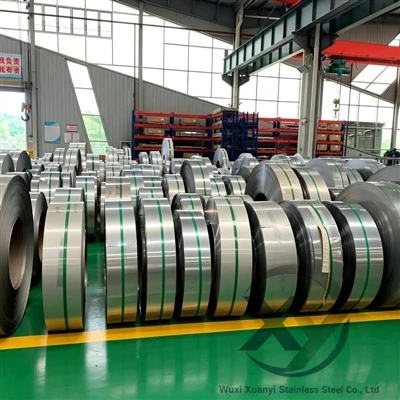
- Carbon Steel Bar in Coil: Ideal for projects that require long lengths of steel in a coiled form.
- Carbon Steel Channel: These channels are widely used in construction and manufacturing for support and structural purposes.
- Carbon Steel Angle Bar: They are great for creating frames, supports, and angles in various applications.
- Carbon Steel Square Bar: Square bars are commonly used in machining and fabrication processes.
- Carbon Steel Straight Bar: These bars are available in different lengths and diameters for your specific requirements.
Contact Us for Procurement
If you're interested in purchasing medium-carbon steel bars or any of our other carbon steel products, don't hesitate to reach out to us. We have a team of experts who can help you choose the right product based on your carbon content requirements and application needs. Whether you need a small quantity for a DIY project or a large order for an industrial application, we've got you covered.
References
- "Steels: Processing, Structure, and Performance" by George Krauss
- "Metallurgy for the Non-Metallurgist" by John D. Verhoeven