

Hey everyone, if you're knee-deep in a kitchen renovation and wondering why everyone's hyped about stainless steel these days, I'm here to break it down-plus, as someone who's been supplying stainless steel sheets for years, I've got real, practical tips that go way beyond the Pinterest pretty pics. Let's cut through the noise, no jargon, just what actually works when you're picking and using stainless steel sheets in your new kitchen.
First off, let's talk about why stainless steel isn't just a fancy trend. I see so many homeowners grab any old metal sheet because it looks sleek, but not all stainless steel is made for kitchens-y'know? Kitchens are messy places: splatters of tomato sauce, grease burns, coffee spills, water spots from the sink, even that accidental drop of a heavy pan on the counter. You need something that can take a beating without turning into a rusty mess or scuffing up so bad it looks like it's 10 years old after a year. That's where stainless steel stands out. Unlike copper (which tarnishes) or regular steel (which rusts like crazy), stainless steel has that chromium oxide layer-science stuff, it forms a shield on the surface whenever it's exposed to air or water. So even if you scratch it a little, that layer just fixes itself. Cool, right?
Now, the first big decision is what parts of your kitchen to put stainless steel sheets on. I've worked with hundreds of clients, and the most popular spots are counters, backsplashes, sinks, range hoods, even cabinet faces if you're going all-in. But here's a pro tip from my side of the counter: don't cover the whole kitchen with it. Too much stainless steel can make the space feel cold and industrial, especially if you're going for a warm, homey vibe. Mix it up-pair a stainless steel backsplash with wooden cabinets, or a single stainless steel counter island with quartz perimeter counters. Balance is key.
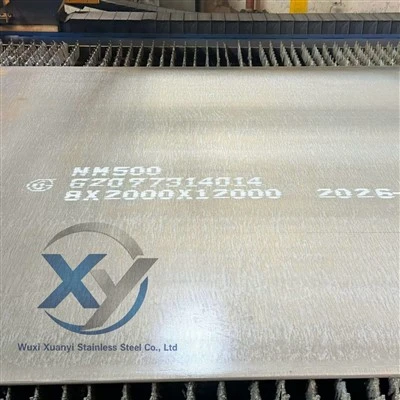
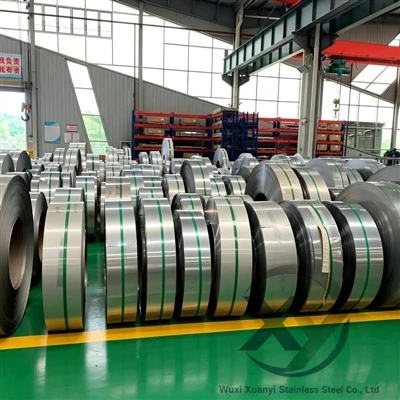
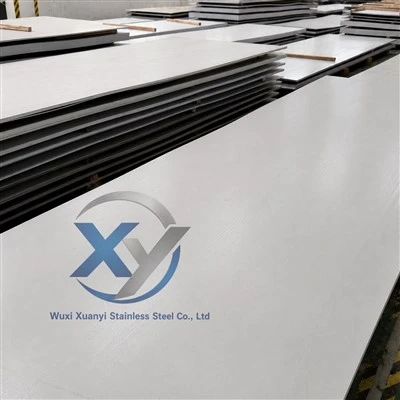
Let's get into the nitty-gritty of choosing the right stainless steel sheet. This is where a lot of people make mistakes, so pay attention. The two main grades we supply (you can check more details on our site, just search Stainless Steel Sheets if you want the full specs) are 304 and 430. 304 is the workhorse for kitchens-it's rust-resistant, durable, and handles high temps really well. That's the one you want for range hoods, pot fillers, and areas near the stovetop where things get hot. 430 is a bit cheaper, but it's magnetic, good for backsplashes and lower counters that don't get direct, constant heat. Avoid 201 grade if you can-It's cheaper, but it'll rust if you have hard water or use harsh cleaners, which is a nightmare in a kitchen. Also, think about the finish: brushed is way better than polished for kitchens. Polished shows every fingerprint and water spot, like a mirror you have to wipe every two seconds. Brushed has that subtle texture that hides messes, and it's easier to clean. Matte finishes are also popular now-they're low-maintenance and don't glare, which is great if you have big windows over the sink.
Next step: installing those stainless steel sheets. This isn't a DIY job for everyone, even if you think you can do it with a saw and a drill. Stainless steel is heavy, so you need a sturdy substrate-like plywood or cement board-to mount it on. If you're doing a backsplash, cut the sheets to fit your wall with a good metal cutter (not a regular wood saw, that'll leave jagged edges that are sharp and ugly). You'll need a strong adhesive made for metal, not regular construction glue, and make sure to leave tiny gaps (like 1/8 inch) between sheets for expansion-stainless steel expands when it's near heat, so no gaps means it'll warp. For countertops, edge details matter too. A rolled edge or a bullnose edge (rounded) is way safer than a sharp square edge-no more knocking your hip on a sharp corner when you're carrying a hot pan. And if you're installing a sink made of stainless steel sheets, go for an under-mount or top-mount? Under-mount makes cleaning the counter easier, because you can wipe crumbs straight into the sink. Just make sure the seams between the sink and counter are sealed with a food-grade silicone caulk-regular caulk will mold and mildew over time, yuck.
Now, maintenance. I know stainless steel is supposed to be low-maintenance, but if you skip a few things, it'll look dull and scratchy in no time. First, always wipe it up after cooking. Grease splatters and tomato sauce are acidic, and if you leave them on stainless steel, they can etch the surface or cause discoloration. Use warm water and mild dish soap-nothing abrasive, like steel wool or scouring pads, that'll scratch the finish. A microfiber cloth works wonders, and if you want a little shine, use specialized stainless steel cleaner, not window cleaner (window cleaner has ammonia, which can leave streaks and discolor the metal over time). Also, avoid placing hot pots or pans directly on the counter-use a trivet, even if the stainless steel is heat-resistant. High heat can cause those color changes, like a faint rainbow tint, which is permanent.
Wait, let's talk about common mistakes I see clients make, because I hate when people regret their renovation. Number one: buying thin stainless steel sheets, like 16 gauge or thinner. Thin sheets bend easily, get dented if you set a heavy can on them, and sound like a tin can when you open the fridge (that clinking is annoying). Go for 18 gauge at minimum for countertops and range hoods, 20 gauge for backsplashes-thicker is sturdier, worth the extra few bucks. Number two: not planning for storage. Stainless steel countertops don't have built-in cutlery trays or spice racks, so if you're using stainless steel for counters, you need to add those elements with wood or quartz, or invest in a stainless steel utensil holder that matches. Number three: ignoring the environment. If you live in a really humid place, like a coastal area where there's salt in the air, go for 304 grade, not 430-it's more resistant to corrosion from salt. That's a big one I've seen people mess up, and they end up with rust spots on their backsplash within a year.
Also, let's get creative beyond the basics. A lot of people don't think about using stainless steel sheets for small, functional upgrades. Like, a small stainless steel sheet as a baking mat-no more parchment paper, easy to wipe clean. Or a custom bread box made of stainless steel, which keeps bread fresher than plastic. Even a pot rack made of stainless steel sheets, sturdy and matches your range hood. Those small touches make the whole kitchen feel cohesive without going overboard.
Wait, what about cost? I know that's a big factor. Stainless steel sheets aren't the cheapest option, but compared to quartz or granite, they're competitively priced, especially if you buy them from a reliable supplier like us (link here for more details: Stainless Steel Sheets). The durability is a huge plus too-we've had clients who have had stainless steel counters for 20 years that still look almost new, whereas granite can chip and quartz can stain over time. So it's an investment that pays off, both in the long run and when you sell your house-stainless steel is a sought-after feature in kitchens, so it boosts resale value.
Let me wrap this up with a quick recap, so you don't forget. Pick the right grade: 304 for heat and corrosion, 430 for backsplashes. Choose a brushed or matte finish, skip polished for kitchens. Buy the right gauge: 18+ for counters, sturdier is better. Don't overdo it-balance with warm materials like wood or tile. Hire a pro to install if you're doing counters or sinks, don't DIY that. Wipe up messes immediately, use mild cleaners, no abrasives. Avoid hot pans directly on the surface.
If you're in the middle of your kitchen renovation and have questions about what stainless steel sheet is right for your project, or need a quote, feel free to reach out and connect with our team for a no-pressure consult. We've helped homeowners, contractors, and designers across the country pick the perfect stainless steel solutions, and we're here to help you too. Don't let a bad choice turn your dream kitchen into a headache-stainless steel works, as long as you do it right.
References
- ASM International. (2018). Stainless Steels: Composition, Properties, and Practical Applications. Materials Park, OH: ASM International.
- National Kitchen and Bath Association. (2022). Kitchen Remodeling Material Guide: Stainless Steel for Residential Spaces. NKBA Press.
- World Stainless Steel Organization. (2021). Corrosion Resistance of Stainless Steels in Domestic Kitchen Environments. WSSO Technical Bulletin.