

Hey there! As a supplier of stainless steel plates, I often get asked a bunch of questions. One that pops up time and time again is, "Can I use a stainless steel plate in a high - temperature environment?" Well, let's dig into this topic and see what we can find out.
First off, you gotta understand what stainless steel is. Stainless steel is an alloy, which means it's made up of different metals mixed together. The main ingredients are iron, chromium, and sometimes nickel, molybdenum, or other elements. The chromium in it forms a thin, protective layer on the surface. This layer, called the passive film, helps prevent rust and corrosion. Pretty cool, right?
When it comes to high - temperature settings, stainless steel has some serious advantages. For starters, it has great heat resistance. The passive film we talked about earlier remains stable at high temperatures, which means the stainless steel plate won't rust easily even when it's hot. This makes it a top choice for a whole bunch of industries that deal with high heat.
Take the aerospace industry, for example. Planes and rockets have parts that get super hot during flight. Stainless steel plates are used here because they can handle the intense heat without losing their shape or strength. They're also used in power plants, especially in areas where there's a lot of heat generated from burning fuel. In these places, the stainless steel plates need to be able to withstand high temperatures for long periods of time.
But it's not all sunshine and rainbows. There are some things that you need to be aware of when using stainless steel plates in high - temperature environments. One of the main issues is oxidation. When stainless steel is exposed to high heat for a long time, the passive film can break down, and oxidation can occur. This can lead to scaling, which is when a layer of oxide forms on the surface of the plate. Scaling can cause the plate to lose some of its protective properties and may even reduce its strength.
Another problem is creep. Creep is a slow deformation that happens when a material is under a constant load at high temperatures. Stainless steel plates aren't immune to this. Over time, the plate can start to change shape if it's carrying a heavy load in a high - temperature setting. This can be a real headache, especially in applications where precise dimensions are crucial.
The type of stainless steel you choose also matters a whole lot. There are different grades of stainless steel, and each one has its own set of properties. For high - temperature use, austenitic stainless steels are often a good pick. They have excellent heat resistance and can handle elevated temperatures better than some other grades. But if you need even more heat resistance, you might want to look at special high - temperature stainless steels that are designed specifically for extreme conditions.
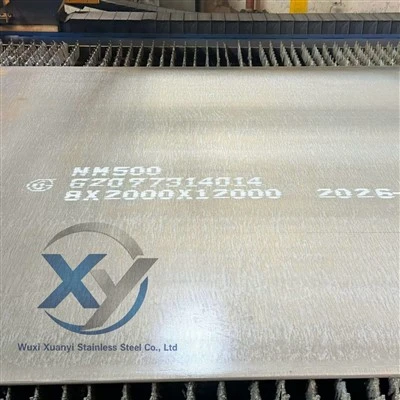
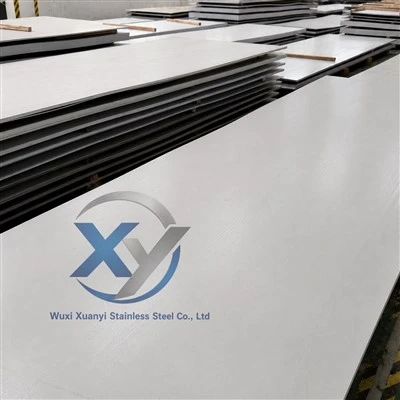
You can find a wide range of Stainless Steel Plates that are suitable for different applications, including high - temperature environments. These plates come in various sizes, thicknesses, and finishes, so you can find the one that fits your needs perfectly.
Now, how can you keep your stainless steel plates in good shape in high - temperature environments? Well, proper maintenance is key.
Regular inspections can help you spot any signs of oxidation or creep early on. If you notice scaling, you can try to clean the surface using appropriate methods. There are also ways to protect the plate from further damage, like applying special coatings.
In some cases, you might need to adjust the operating conditions to reduce the stress on the stainless steel plate. For example, if the temperature is getting too high, you could consider using cooling systems to bring it down a bit. Or, if the load is causing too much creep, you might need to redistribute the weight or use additional support structures.
If you're still not sure whether a stainless steel plate is the right choice for your high - temperature application, don't worry. That's where I come in. As a stainless steel plate supplier, I've got years of experience and tons of knowledge about these products. I can help you figure out the best grade of stainless steel for your specific needs, and I can give you advice on how to use and maintain it properly.
Whether you're working on a small DIY project or a large - scale industrial application, I'm here to assist you. I can provide you with high - quality stainless steel plates at competitive prices. And if you have any questions or need more information, just reach out. I'm always happy to have a chat and help you make the right decision.
So, to sum it all up, yes, you can use a stainless steel plate in a high - temperature environment. But you need to be aware of the potential issues and take the right steps to handle them. With the right grade of stainless steel and proper maintenance, your plates can serve you well in even the hottest conditions.
If you're interested in purchasing stainless steel plates or want to discuss your requirements further, just drop me a line. Let's start a conversation and see how we can work together to meet your needs.
References:
- "Stainless Steel - Properties and Applications" by an industry - leading materials science publication
- "High - Temperature Materials Handbook" for in - depth information on material behavior at elevated temperatures